





Introduction
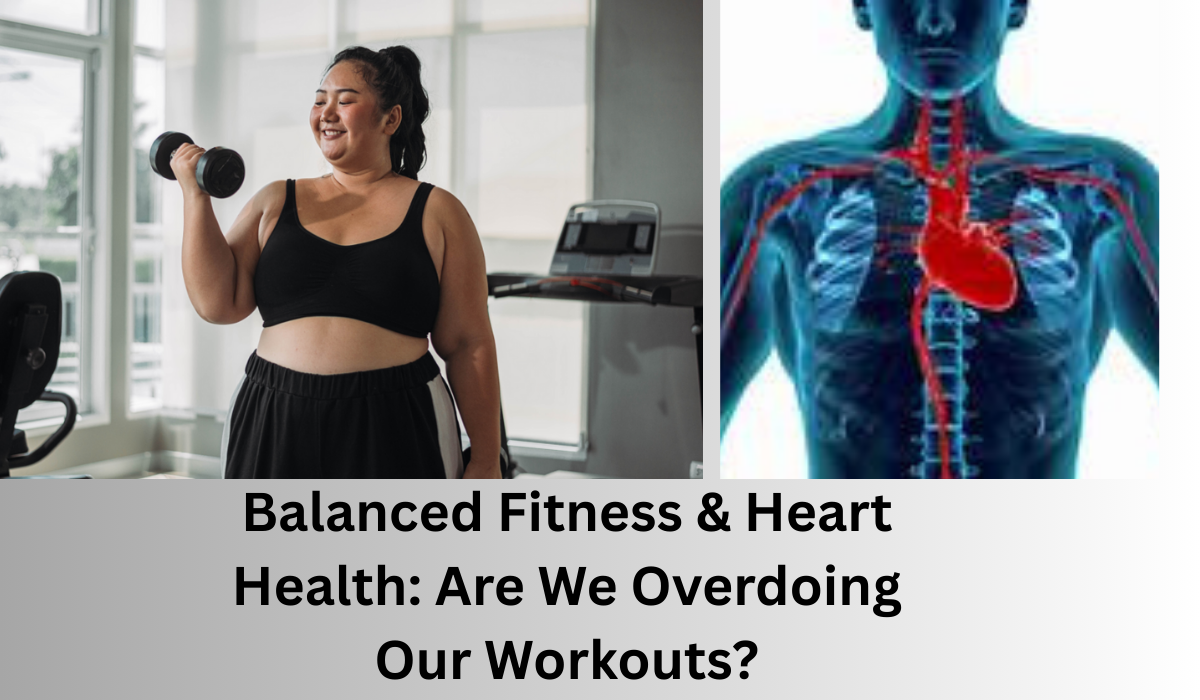
In recent years, fitness culture has shifted dramatically. Social media celebrates “no days off,” 5 AM gym sessions, high-intensity workouts, marathons, bootcamps, and ultra-competitive fitness challenges. While regular exercise is scientifically proven to improve cardiovascular health, too much exercise without proper recovery may actually put stress on the heart — a concern highlighted by new medical studies and fitness experts worldwide.
The question arises: Are we unintentionally harming our heart in the name of fitness?
This article explores the fine line between healthy exercise and harmful overtraining — and what a balanced approach truly looks like.
What Is Overtraining?
Overtraining occurs when the intensity, frequency, or duration of workouts exceeds the body’s ability to recover. It’s not limited to athletes — even everyday fitness enthusiasts can fall into the trap.
Common causes include:
- Working out intensely every day
- Not getting enough sleep
- Poor nutrition or inadequate calorie intake
- High-stress lifestyles
- Multiple workouts a day without rest
- High-level endurance training (running, cycling, swimming)
Overtraining affects the muscles, nervous system, hormones, and most importantly — the heart.
The Link Between Overtraining & Heart Stress
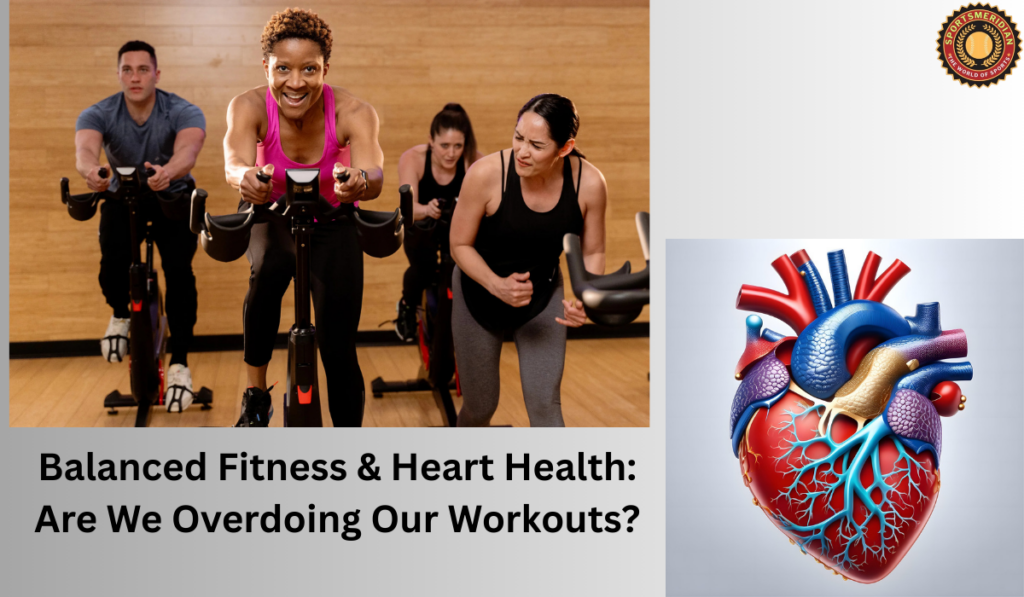
Exercise strengthens the heart. But like any muscle, the heart also needs rest. Excessive, prolonged, and high-intensity training may lead to:
1. Increased inflammation in the heart
Long-duration endurance exercises (e.g., marathon training) may raise inflammation markers that stress heart tissue.
2. Structural changes to the heart
Some studies show that frequent ultra-intense sessions can lead to temporary enlargement of the heart chambers — which if repeated without recovery could become problematic.
3. Irregular heartbeats (Arrhythmias)
Athletes with chronic overtraining sometimes develop irregular rhythms like Atrial Fibrillation due to prolonged strain on heart muscles.
4. Elevated cortisol levels
High cortisol (stress hormone) can impact blood pressure and heart function.
5. Increased risk of heart fatigue
Just like muscles, the heart can experience “fatigue” after repeated stress without recovery time.
These issues rarely occur overnight — they develop after months or years of pushing too hard.
Signs You May Be Overdoing Your Workouts
Recognizing the early signs can prevent long-term problems.
Physical Signs:
- Constant fatigue even after sleeping
- High resting heart rate
- Trouble completing usual workouts
- Persistent muscle soreness
- Frequent injuries or strains
- Dizziness during exercise
- Chest tightening or discomfort
Mental Signs:
- Irritability
- Loss of motivation
- Anxiety
- Sleep disturbances
- Poor concentration
Performance Signs:
- Declining strength
- Slower run times
- Reduced endurance
- Difficulty lifting usual weights
If you notice three or more of these symptoms consistently, it may be time to re-evaluate your routine.
How Much Exercise Is Actually Healthy?
Most health organizations recommend:
✔ 150 minutes of moderate activity per week
OR
✔ 75 minutes of vigorous activity per week
Plus
✔ 2–3 strength training sessions
But modern fitness trends often push far beyond this — daily HIIT, heavy lifting, long runs, and multiple classes in one day.
The truth?
More is not always better.
What your body needs is:
- Consistency
- Moderation
- Recovery
- Balanced intensity
Why Recovery Is Essential for Heart Health
Recovery isn’t laziness — it’s physiological necessity.
During recovery:
- Muscles repair themselves
- The heart rate stabilizes
- Cortisol levels drop
- Blood pressure returns to baseline
- The nervous system resets
Skipping recovery accelerates burnout and increases cardiac strain.
Types of Recovery:
Active Recovery:
- Walking
- Stretching
- Light cycling
- Low-intensity yoga
Passive Recovery:
- Rest days
- Quality sleep
- Hydration
- Proper nutrition
An effective fitness lifestyle requires both.
Balanced Fitness: The New Heart-Healthy Approach
Instead of chasing extreme routines, the new trend in fitness (supported by research) encourages balance.
Here’s what a balanced weekly routine might look like:
✔ 2–3 Moderate Strength Training Sessions
Focus on form, not ego lifting.
✔ 2 Moderate Cardio Sessions (30 minutes each)
Brisk walking, cycling, swimming.
✔ 1 High-Intensity Session (Optional)
Short 10–20 minute HIIT, once a week.
✔ 1–2 Active Recovery Days
Yoga, mobility work, easy walking.
✔ Prioritize Sleep (7–9 hours)
Critical for hormone regulation and heart function.
✔ Balanced Diet
Enough protein, whole grains, healthy fats, and micronutrients.
Heart-Friendly Exercise Tips
To protect your heart while staying fit:
1. Track Your Heart Rate
Use a smartwatch to avoid red-zone workouts every day.
2. Follow the 80/20 Rule
- 80% low to moderate intensity
- 20% high intensity
3. Schedule Rest Like Your Workouts
Rest days should be part of the plan, not an afterthought.
4. Warm Up Properly
Prevent sudden spikes in heart rate.
5. Stay Hydrated
Dehydration strains the heart.
6. Listen to your body
If you feel pain, heaviness, or unusual fatigue — slow down.
When to Seek Medical Help
Stop exercising immediately and consult a doctor if you experience:
- Chest pain or tightness
- Shortness of breath beyond normal exercise levels
- Frequent dizziness
- Palpitations
- Unusually high heart rate at rest
Your heart always gives signals — don’t ignore them.
Conclusion: Fitness Should Heal, Not Harm
Exercise is one of the best things you can do for your heart — but only when done intelligently. Overtraining is becoming more common due to competitive fitness culture, but the solution is simple: balance.
Your fitness routine should make you feel stronger, happier, and energized — not exhausted or stressed.
Remember…
A healthy heart isn’t built in the gym alone — it’s built in recovery, sleep, nutrition, and mindful movement.