






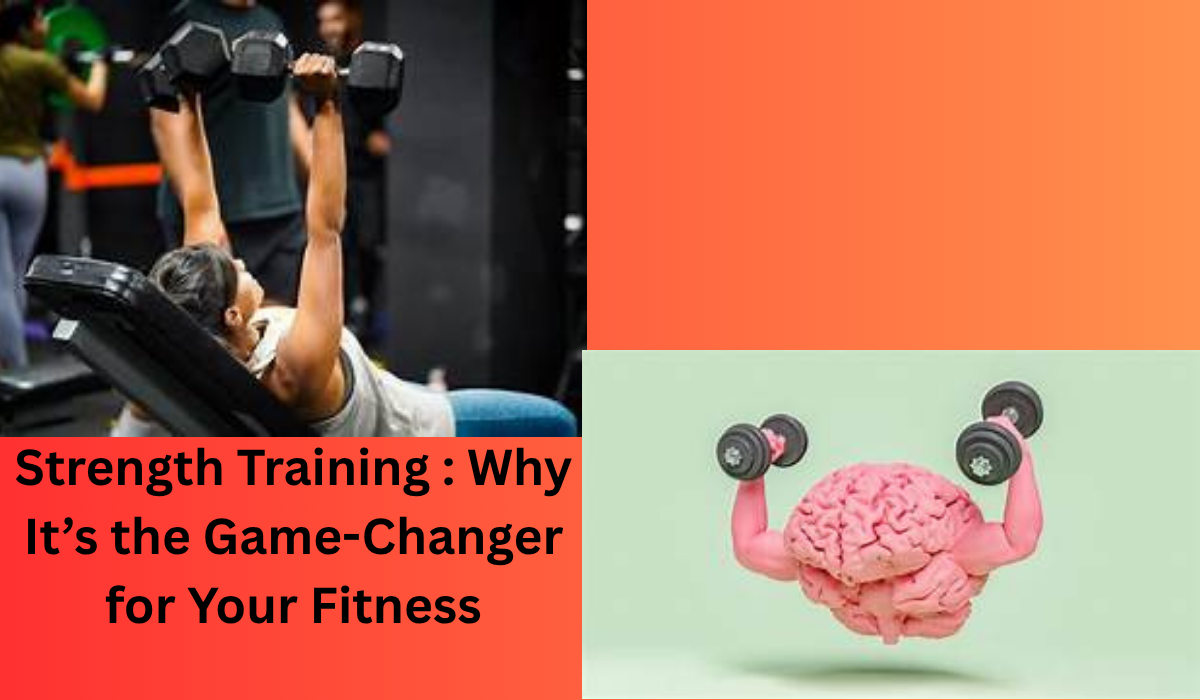
When most people think of fitness, the first thing that comes to mind is usually cardio—running, cycling, or long walks. While cardio is great for heart health and burning calories, there’s another powerful element many overlook: Strength Training. Whether you’re a sports enthusiast, a working professional with long sitting hours, or someone just beginning their fitness journey, strength training can transform your body and health in ways cardio alone cannot.
This guide explains what strength training really is, why it’s a game-changer, common myths that stop people from starting, and how you can begin strength training at home or in the gym—no excuses needed!
What is Strength Training?
Strength training, also known as resistance training, includes exercises that make your muscles work against a force—such as weights, resistance bands, machines, or even your own body weight.
Examples include:
- Push-ups
- Squats
- Planks
- Dumbbell exercises
- Resistance band rows
The main goal? Progressively increase your muscle strength, build endurance, and improve how your body functions in everyday life and sports.
Top Benefits of Strength Training
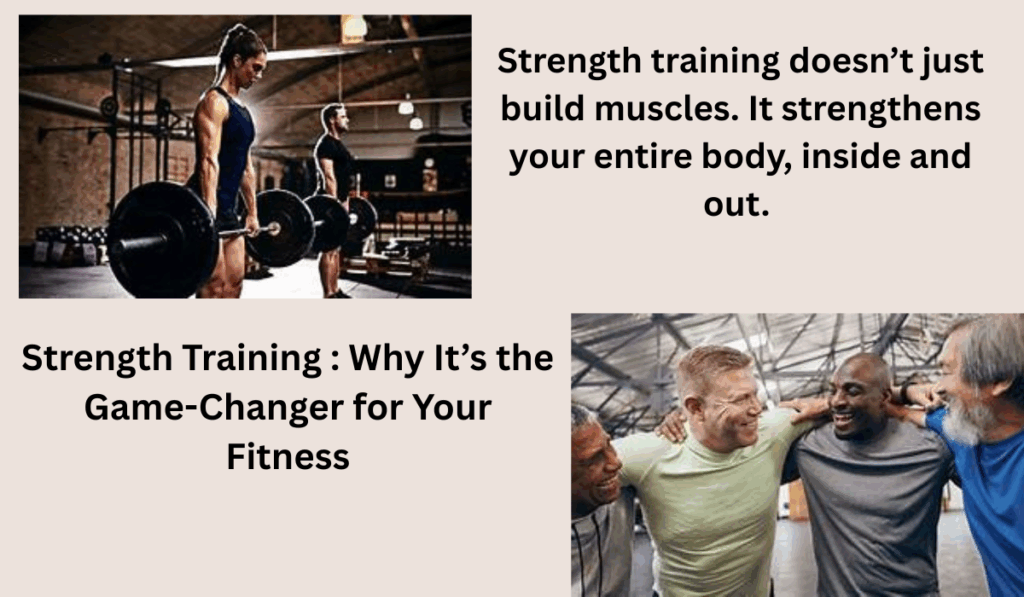
Strength training doesn’t just build muscles. It strengthens your entire body, inside and out. Here are the biggest benefits:
1. Builds Lean Muscle & Increases Strength
As you lift heavier or improve repetitions, your muscles adapt and grow stronger. This gives you a toned, athletic appearance and improves sports performance.
2. Boosts Metabolism & Supports Fat Loss
Muscle burns more calories than fat—even while resting. So the more muscle you build, the faster your metabolism becomes, helping with long-term weight control.
3. Improves Bone Health & Prevents Injury
Resistance training increases bone density, lowering the risk of fractures and helping prevent osteoporosis as you age. It also strengthens tendons and joints, protecting you from injuries in sports and daily life.
4. Enhances Athletic Performance
Whether it’s sprinting, badminton, football, or cricket—every sport needs strength to perform at the next level. Strong muscles lead to better speed, power, balance, and agility.
5. Better Posture & Mobility
Hours of sitting can lead to weak back and core muscles. Strength training helps fix posture issues, reduces back pain, and improves flexibility.
6. Mental Health Boost
Strength training releases endorphins—your natural stress fighters. People who train regularly report:
- Better confidence
- Reduced anxiety
- Improved sleep quality
It’s not just about looking strong—you feel stronger from within.
Myths About Strength Training You Should Stop Believing
Even today, many avoid strength training due to common misconceptions. Let’s clear them:
Myth 1: “Strength Training Will Make Women Bulky”
Fact: Women have much lower testosterone than men. Strength training tones muscles and creates a lean, athletic look—not bulk.
Myth 2: “You Must Lift Heavy Weights”
Not true. You can start with:
- Bodyweight exercises
- Light dumbbells
- Bands
Progress matters more than heavy weights.
Myth 3: “Cardio Is Enough to Get Fit”
Cardio is great but doesn’t build muscle. A balanced routine includes both for best results.
Myth 4: “Strength Training Is Only for Young People”
Anyone can start at any age—including seniors. It’s one of the best ways to stay independent and active for life.
How to Start Strength Training (Beginner-Friendly Guide)
You don’t need a gym membership to begin. Start with simple, functional exercises.
Step 1: 2–3 Workouts Per Week
Focus on full-body workouts: upper body, lower body, and core.
Step 2: Learn Basic Movements First
Here’s a beginner home workout routine you can follow:
| Exercise | Muscles Targeted | Reps / Time |
|---|---|---|
| Squats | Legs & Glutes | 12–15 |
| Push-ups (or knee push-ups) | Chest & Arms | 8–12 |
| Glute Bridge | Lower Body | 12–15 |
| Plank | Core | 20–30 seconds |
| Dumbbell or Band Rows | Back | 10–12 |
Repeat this 2–3 times with 60–90 seconds rest between sets.
Step 3: Progress Gradually
Every week, try to:
- Add 2–3 more reps or
- Add slightly more weight or
- Slow down your movement for more time under tension
Small progress every week = big transformation in months.
Step 4: Prioritize Form & Warm-up
Spend 5 minutes warming up:
- Light jogging
- Jumping jacks
- Shoulder rotations
Good form prevents injury and ensures muscles work properly.
Step 5: Fuel Your Muscles Right
To support recovery:
- Include protein-rich foods (eggs, paneer, tofu, chicken, lentils)
- Stay hydrated
- Sleep 7–8 hours
Remember: muscle grows when you rest, not when you train.
Strength Training for Busy People
If you have a packed schedule, try this approach:
- 20–30 minutes, three times a week
- Compound exercises like squats, push-ups, deadlifts, planks
- Short but intense = best results in less time
Even athletes follow this structure during busy seasons. Consistency matters more than long sessions.
Strength Makes Everything Better
Strength is more than building muscles — it’s building a better life. When you feel strong, everyday tasks become easier, posture improves, and your body feels more energized. Strength training boosts confidence, enhances mental focus, and reduces stress, helping you stay positive and productive. Stronger muscles protect your joints, improve balance, and prevent injuries, making you more active and capable in sports and daily activities. Even a few minutes of strength exercises each week can create long-lasting benefits. Strength empowers you — physically and mentally — and reminds you that with every rep, you are growing into a healthier, more resilient version of yourself.
So today, start small:
- A few squats
- A quick plank
- A set of push-ups
What matters is showing up. Your future, fitter self will thank you.