



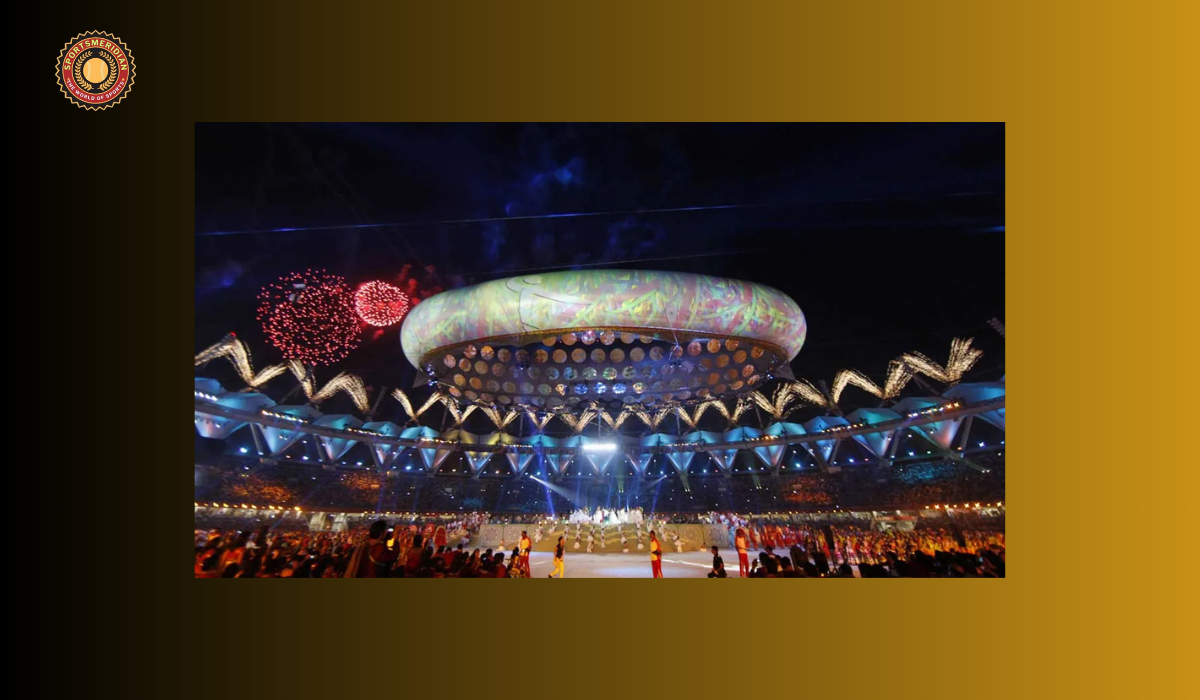
On October 15, 2025, the Executive Board of Commonwealth Sport recommended Ahmedabad (also written as Amdavad), Gujarat, as the proposed host city for the 2030 Centenary Commonwealth Games. The board’s recommendation will be put to a formal vote at the Commonwealth Sport General Assembly in Glasgow on November 26 — a procedural step widely expected to ratify the choice. If confirmed, this will be India’s second time hosting the Games (after New Delhi in 2010) and a milestone for Indian sport at large.
This announcement is more than a sporting headline. It is a potential catalyst for infrastructure investment, talent development, and international visibility. Ahmedabad’s selection reflects both a recognition of recent local investments in large sporting venues and a strategic choice to anchor a centenary edition in a fast-growing Indian metropolis. Below I unpack what this means practically — for stadiums and transport, for the economy and communities, for athletes and governance, and for India’s long-term sporting ambitions.
Stadiums, athlete villages and urban upgrades — the infrastructure angle
One of the strongest selling points of Ahmedabad’s bid has been the Sardar Vallabhbhai Patel Sports Enclave project — an ambitious campus centered around the Narendra Modi Stadium and supplemented by a new aquatic centre, athletics venues, an athlete village and related facilities. Local and national reports detail multi-thousand crore investments in stadiums, a new airport terminal, metro and BRTS improvements, and hospitality expansion intended to support an event of this scale. If executed well, those assets could be repurposed for domestic leagues, international fixtures, youth sports academies and community use after 2030.
But infrastructure for mega-events is double-edged. Building quickly to meet a 2030 timeline risks cost overruns and rushed procurement. The lesson from major events globally is clear: long-term planning for post-Games use — conversion into community facilities, leasing to clubs, or integration into city sports programming — determines whether venues become “legacy assets” or costly “white elephants.” Ahmedabad’s bid documents and public statements emphasize legacy plans; the challenge will be following through transparently and sustainably.
Economic opportunities — jobs, tourism and local business:
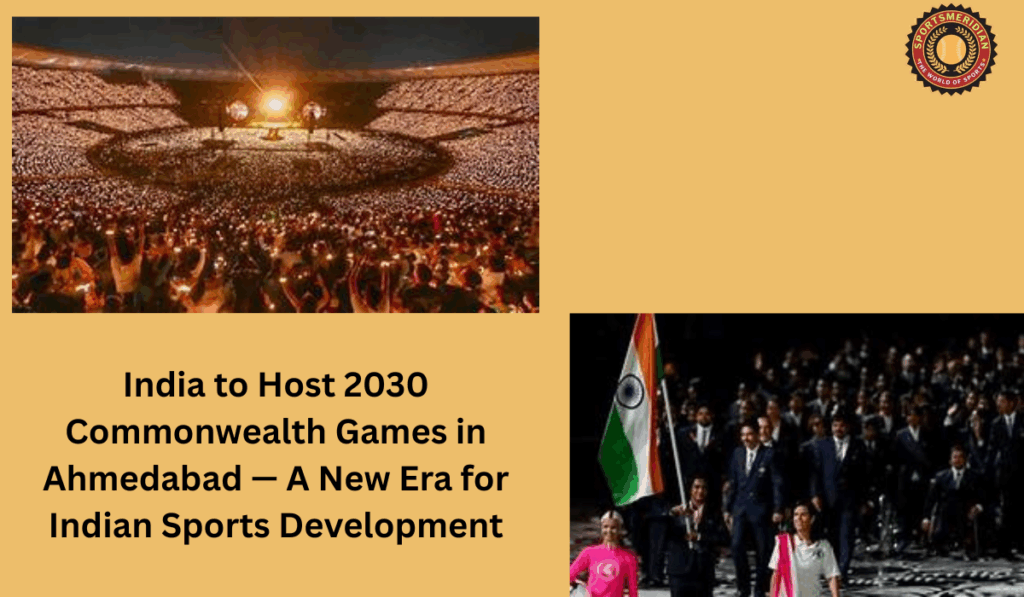
Hosting a centenary Commonwealth Games can drive short-term economic activity — construction jobs, hospitality employment, increased hotel occupancy and tourist spend during the event. Beyond the immediate earnings, the Games can also elevate Ahmedabad’s profile as a global meetings and sports tourism destination, attracting training camps, friendly matches and corporate events in coming years. Regional suppliers, small businesses and service providers gain opportunities from procurement and visitor demand.
Yet economists caution against assuming automatic prosperity. The net economic benefit depends on choices: how much is spent by private investors versus public funds, whether infrastructure projects displace other civic priorities, and how effectively local labour markets are trained and absorbed into new roles. Smart procurement (favoring local businesses), skills programs for hospitality and sports management, and open contracting are priorities if the Games are to leave tangible economic dividends for ordinary citizens.
Athlete development and sports ecosystems — a chance to accelerate progress
India’s sports performance has been gradually improving across multiple disciplines — a result of targeted funding, private academies and performance pathways. Hosting the Commonwealth Games offers a home-advantage boost for Indian athletes, who would benefit from world-class competition on familiar soil and expanded access to upgraded training facilities. A well-managed Games also tends to stimulate grassroots participation: children exposed to high-profile competitions are more likely to take up sport, strengthening talent pipelines over the next decade.
India’s 2010 Delhi Games had mixed results: while they showcased elite capability, governance and maintenance problems later undermined some facilities’ utility. Ahmedabad’s planners appear aware of these lessons and have highlighted legacy and athlete-first considerations in their bid. Execution will require coordination between the Indian Olympic Association, national federations, state government and private partners to ensure that facilities are not just built, but used, maintained and linked to coaching and competition calendars.
Strategic geopolitics and global sporting diplomacy
There’s also a geopolitical dimension. Choosing Ahmedabad for the centenary Games in 2030 signals confidence in India as a major sporting and diplomatic player. For the Commonwealth movement, which has faced uncertainty after multiple host withdrawals and scaled-back editions, a stable and well-run centenary Games matters for credibility. For India, pulling off 2030 successfully could strengthen arguments for hosting larger events in future, including a potential Olympic bid discussion for the 2030s or beyond — though that remains speculative and politically complex.
Potential roadblocks and how to mitigate them
A realistic appraisal must accept risks: delays in construction, budget escalations, political changes, governance disputes and logistical complications. Mitigation means building contingency budgets, staging events (test events and phased delivery), independent audits, and multi-stakeholder steering committees with athlete representation. Public communication is also key: when citizens understand the benefits and tradeoffs, political support is easier to sustain.
A pivotal opportunity, if delivered well
Ahmedabad’s recommendation to host the 2030 Commonwealth Games is a historic opportunity for Indian sport. It promises modern facilities, global visibility and potential economic benefits — but the outcome will depend on governance, meaningful legacy planning, and community integration. For sports fans, athletes and policymakers, the next steps (ratification in November, transparent planning documents, and early construction milestones) will be the true test of whether this is merely a headline or the start of a genuine “new era” for Indian sports development. If managed with foresight, the 2030 centenary Games could leave a durable sporting ecosystem in its wake — producing better athletes, more inclusive participation, and facilities that serve cities and citizens long after the medals have been awarded